

Garden Plot by Diane Lynch
Dragonflies bring beauty and benefits to local gardens
Dragonflies are carnivores that eat aphids, gnats, mosquitoes and flies, which makes them worth having around.
By DIANE LYNCH ·
Names of plants, animals trace back to explorers, naturalists
Institutions such as the Royal Botanic Gardens, Kew and the Royal Botanic Garden Edinburgh financed many trips around the world to collect specimens that might do well in British gardens.
By DIANE LYNCH ·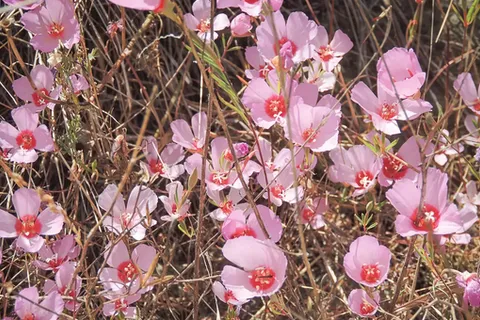
Consider fruit trees in place of water-heavy lawns
June and July are the right months to prune fruit trees and scale them down. The ideal height lets you pick fruit from the ground, no ladder needed.
By DIANE LYNCH ·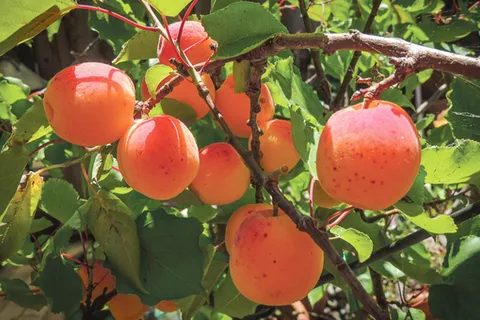
Gnats, other pests can be a buzzkill for indoor plants
If you have plants that you bring inside during the winter months, the warmer indoor temperatures will speed up their reproduction cycle, meaning more of these little annoying critters.
By DIANE LYNCH ·
Find unique gifts for gardeners at local shops, nurseries
There are many interesting things out there for the gardener in your life.
By DIANE LYNCH ·
A DIY compost pile or worm bin can do wonders
If you have a compost pile or a worm bin, you’re well on your way to creating the amazing product some gardeners call black gold.
By DIANE LYNCH ·
Artificial lawns are a tidy solution with some hidden costs
Homeowners praise the tidiness and low maintenance but must weigh environmental concerns, PFAS chemicals, heat retention, and high installation costs.
By DIANE LYNCH ·
Hydrangeas sport plentiful summer blooms
Hydrangeas thrive in summer — columnist Diane Lynch shares growing tips, drying advice and favorite cultivars for local gardens.
By DIANE LYNCH ·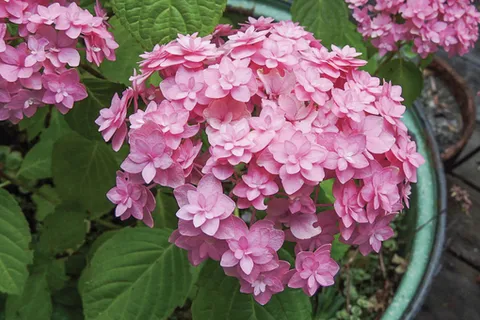
Native plant society offers education, volunteer opportunities
The organization has a plethora of activities and learning experiences in and around the county’s amazing native-plant communities.
By DIANE LYNCH ·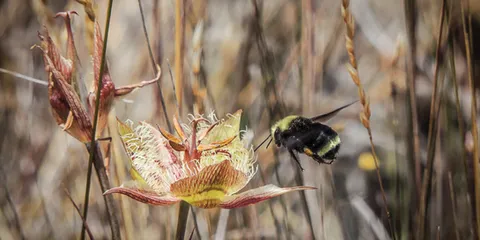
Think carefully about how to conserve water
No rain means no option except to turn on the spigot, unless you were smart — or hardworking — enough to have set up a system of capturing water from your downspouts.
By DIANE LYNCH ·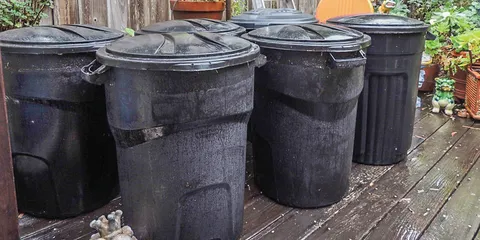
Plant now to have blooms throughout spring
We’ve recently had some nice soaking rains to moisten the soil, making it a great time to plant some spring bloomers.
By DIANE LYNCH ·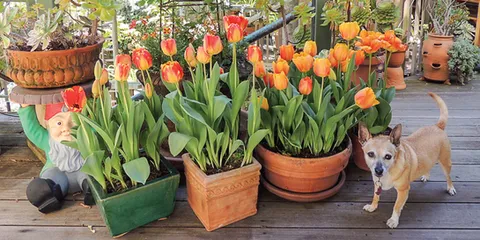
Local nurseries offer variety of garden gifts for the holidays
Cottage Gardens in Petaluma makes Tuffits, realistic pillows for tip-toeing through your garden. (Diane Lynch / For The Ark) The holidays seem to roll around sooner each year, but the ideas for what to get your favorite gardener become more challenging as so many of us have everything we need and more. A couple of decades ago, I got a concrete stepping stone that looks like a little chenille pillow your grandmother might have had on her sofa. My son said it was downright creepy because it...
By DIANE LYNCH ·
Think California natives when planting for fall
With the arrival of fall, it’s time to think about what to plant to improve the garden or fill in blanks where plants aren’t thriving or have died. Or maybe even time to consider removing some or all of the lawn, the most labor intensive and water slurping part of any landscape. With any luck, we’ll have rain this fall and winter to help new plants get established. Here I go into my rant on native plants. Natives evolved with the local fauna, insects and animals, so the ecosystem will be...
By DIANE LYNCH ·
A variety of plants will attract birds to your yard
We are very fortunate to have a lot of birds in Marin. Many are seasonal and migrate through, sometimes stopping to rest, eat and breed. Marin has beaches, wetlands, forests and so many other habitats for birds to thrive in. Richardson Bay and the rest of San Francisco Bay provide food and resting places for thousands of aquatic birds during the winter migration. Birds are some of our most charismatic citizens. The plants you choose for your garden can attract birds and add to your outdoor...
By DIANE LYNCH ·
Home-grown fruits, veggies boast stand-out flavor
Some years my little Blenheim apricot tree produces more than 100 apricots, so I’ve made jam from most of them. It turns out that chilling hours are important to flavor and mine don’t get the requisite number of hours below 45 degrees or enough hot sun, both of which translate to much less flavor. Blenheims, sometimes called royals, are just the best apricot you can eat. Nothing else in the apricot world even comes close. In their quest for profit, Whole Foods recently decided to not label...
By DIANE LYNCH ·
The bloom of tulip bulbs is a favorite sign of spring
Usually, Marin is finished with the chilly weather by the end of January, but it was 50 degrees out a few times in February and recently this month, with the windchill making it seem much cooler. Now I’m wondering if the tulips that were left in the ground last winter after reblooming will bloom yet again. They need about 12-14 weeks of 55 degrees or cooler soil. I’m guessing last winter we had close to that, which explains why my tulips came up and bloomed last spring after years of sitting...
By DIANE LYNCH ·
Find the perfect gift for every gardener at Marin’s nurseries
Every year I make a pilgrimage to many of the local nurseries to see what’s new or interesting. I do get some shopping done, but unfortunately a lot of it is stuff I can’t pass up, even though I’m at the stage of my life when I’m trying to outsource things instead of accumulate more. But it’s fun anyway and will keep my kids busy someday. I started in Fairfax this year and found a sturdy homemade umbrella stand at O’Donnells Fairfax Nursery at 1700 Sir Francis Drake Blvd. This small plot has...
By DIANE LYNCH ·
Replace invasives with low-water plants this fall
As soon as the rains start — and it won’t be soon enough for my very dry garden — it’s time to remove unwanted plants and put in new plants that use less water or maybe just more mulch. Because my water bill has doubled and I’m now in the third tier of usage, I’m getting really serious about water conservation. The first thing to consider in the garden is to remove any invasives with the goal of leaving more moisture in the soil for the plants we actually want to grow. Our top invasives...
By DIANE LYNCH ·
Experiment with container gardens in small spaces
Just because you live in an apartment doesn’t mean you can’t have a garden. If you have a deck, there’s something you can grow. Or maybe you only have a front stoop that could hold a few pots. Where there’s a will, there’s a way, as my dad used to say. My problem is that I have several decks, so I actually have too many pots — but that’s another kind of problem. The first thing you’ll need to do to get your garden going is to pay attention to how much sun you have. This will vary by the...
By DIANE LYNCH ·
Bugs, insects, spiders an important part of garden ecosystem
About half of life on earth is concentrated in the insect class, which is in the Arthropod phylum. Insects are characterized by having an exoskeleton, a three-part body, three pairs of jointed legs, a pair of antennae and compound eyes. There are an estimated 6 million to 10 million species, and about a million have been described, meaning that more than 90% of animal forms on earth are insects. Think dragonflies, moths, butterflies, ants, termites, bees, worms, beetles — the list goes on and...
By DIANE LYNCH ·

